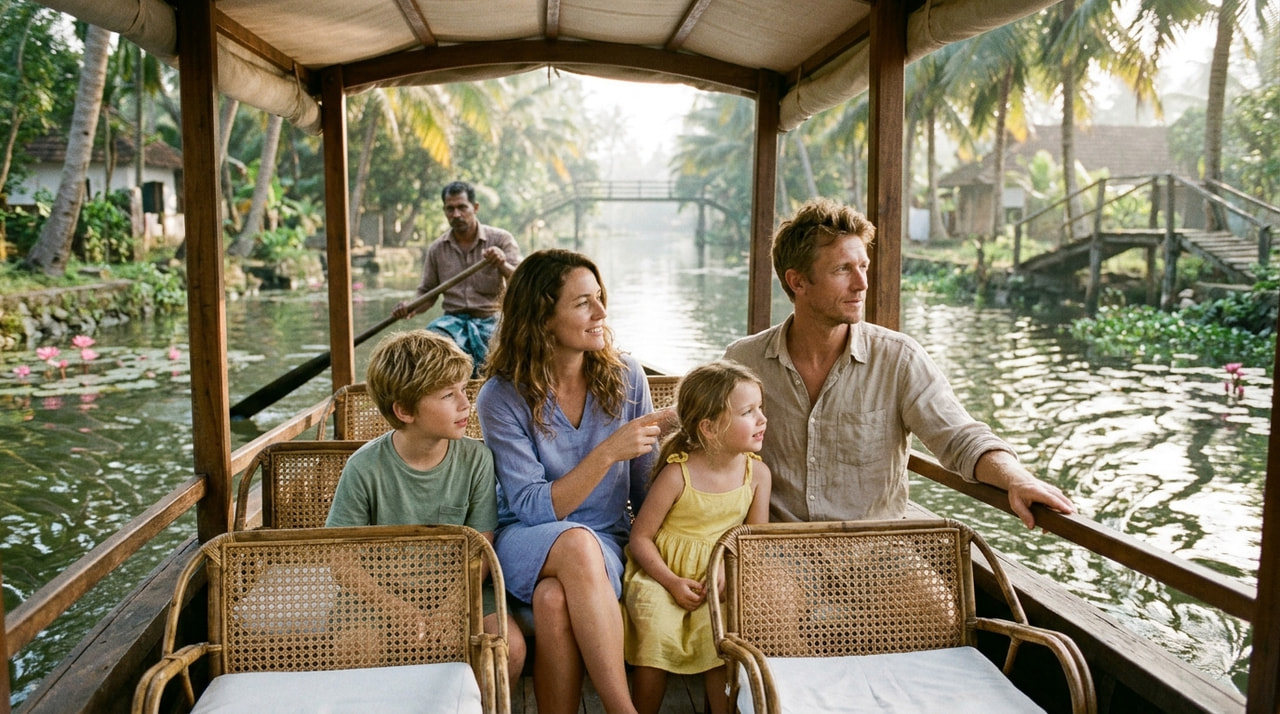
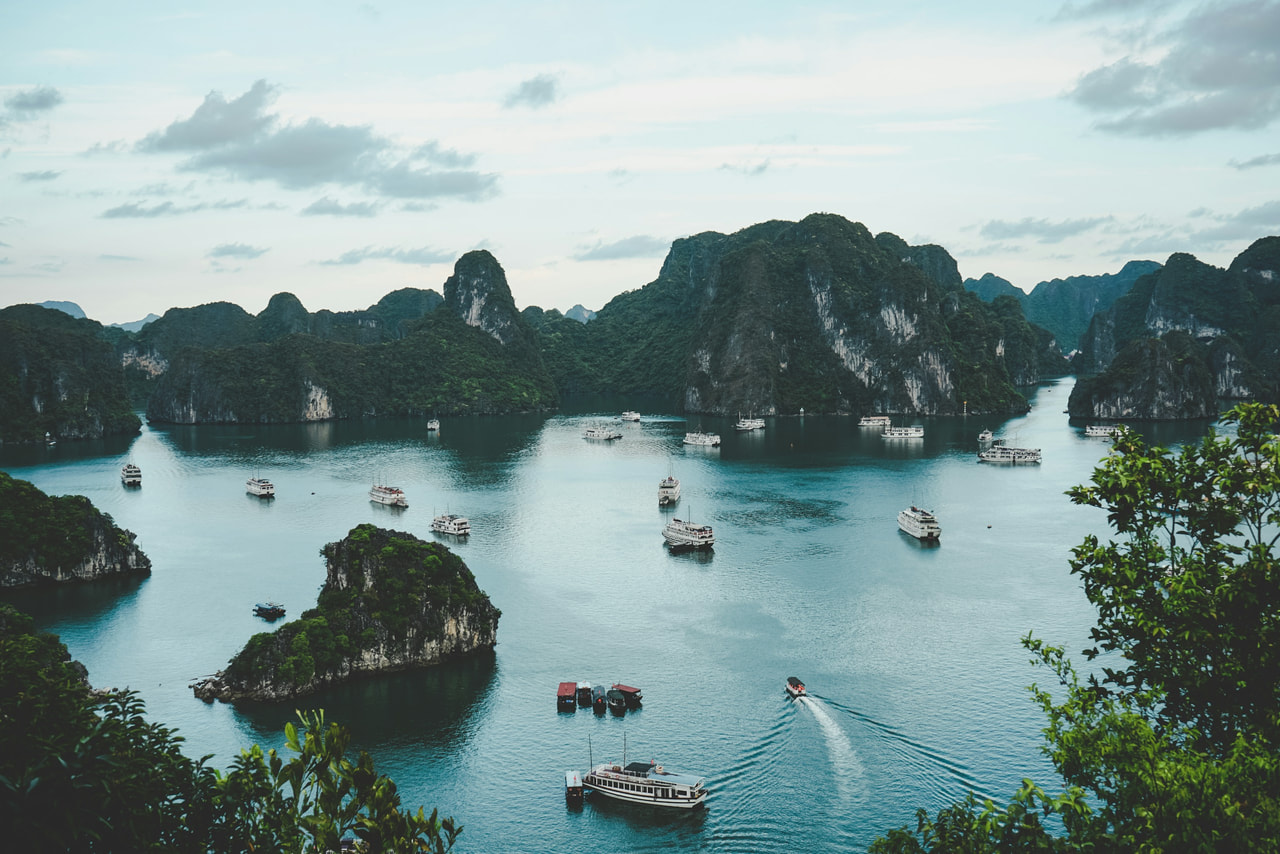
It is twenty past three in the afternoon, the queue outside the ticket gate has not shifted for half an hour, and your seven-year-old is sitting on the hot stone pavement refusing to stand. Your partner is checking an offline map on a dying phone battery, calculating how to cross town before the temple complex closes at five. Everyone is thirsty, everyone is carrying a canvas tote bag full of water bottles, and nobody has looked at a carving or a tree for two hours. Most travelling parents know this specific moment of defeat. It is where an ambitious holiday turns into an endurance test.
Slow family travel is the deliberate decision to design a journey so that this moment does not happen. It is not an argument for staying in the hotel room, nor is it a polite excuse for doing nothing. It is a systematic way of planning that treats a family's daily energy as a finite reservoir that must be protected, sequenced, and replenished.
The point where a family holiday becomes a schedule
Most conventional holidays go wrong before the luggage is zipped. They start with an empty calendar and a list of ten famous sights gathered from travel blogs, friends' recommendations, and social media reels. Because tickets are booked and flights are paid for, the instinct is to assemble these sights into an unbroken chain across seven or ten days.
The days end up looking like business itineraries. An alarm at seven, breakfast by eight, a transfer across town by nine, ninety minutes at a historic site, lunch squeezed between two museum bookings, an afternoon drive across a mountain pass, and dinner at a restaurant forty minutes from the hotel.
On paper, this itinerary looks like good value. In practice, it fails because human children are not cameras on tripods. Children experience physical space, heat, hunger, and sensory input far more intensely than adults do. When an itinerary packs twelve hours with structured transitions, children do not absorb culture; they enter sensory self-defence. By day three, curiosity gives way to exhaustion, and parents spend their days managing emotional crises rather than sharing discoveries.
What child-development experts say about pace
No one has run a controlled study of holiday pace, so this part rests on informed argument, not proof. British child psychotherapist Dr Margot Sunderland has argued that a family holiday exercises two systems in the limbic area of the brain, the "play system" and the "seeking system", which the neuroscientist Jaak Panksepp described. Study International reported her explanation in 2018.
Play happens through touch, movement and joy: wading through shallow water, running across a field, splashing in a pool with a parent whose attention is undivided. Seeking happens when a child explores somewhere unfamiliar alongside trusted adults, following a garden path or watching an artisan carve a block of wood. Her argument is that ordinary weeks give both systems little exercise, and that shared exploration leaves children with happy memories to draw on later. Her claims about brain chemistry come from press coverage, not from a study of travel, so we treat them as an argument.
The opposite problem is easier to recognise. Understood.org, which publishes guidance for families of children who find sensory input hard, notes that crowds, announcements, noise, hurrying and changes of routine can overwhelm children and lead to meltdowns. It advises leaving time in the plan for a short break every few hours and for quiet time. Those tips are written for children with sensory differences, but most parents will know the pattern from any child at the end of a long, crowded day.
A meltdown at the ticket gate is rarely defiance. It is usually a tired, hot, overstimulated child who has run out of room. That is the thinking behind how we plan: fewer things, in the right order, with quiet in between.

The four quadrants of an unhurried day
An unhurried day on a family journey is not loose or aimless. It has a definite structure, arranged in four distinct quadrants designed to match a family's natural energy curve:
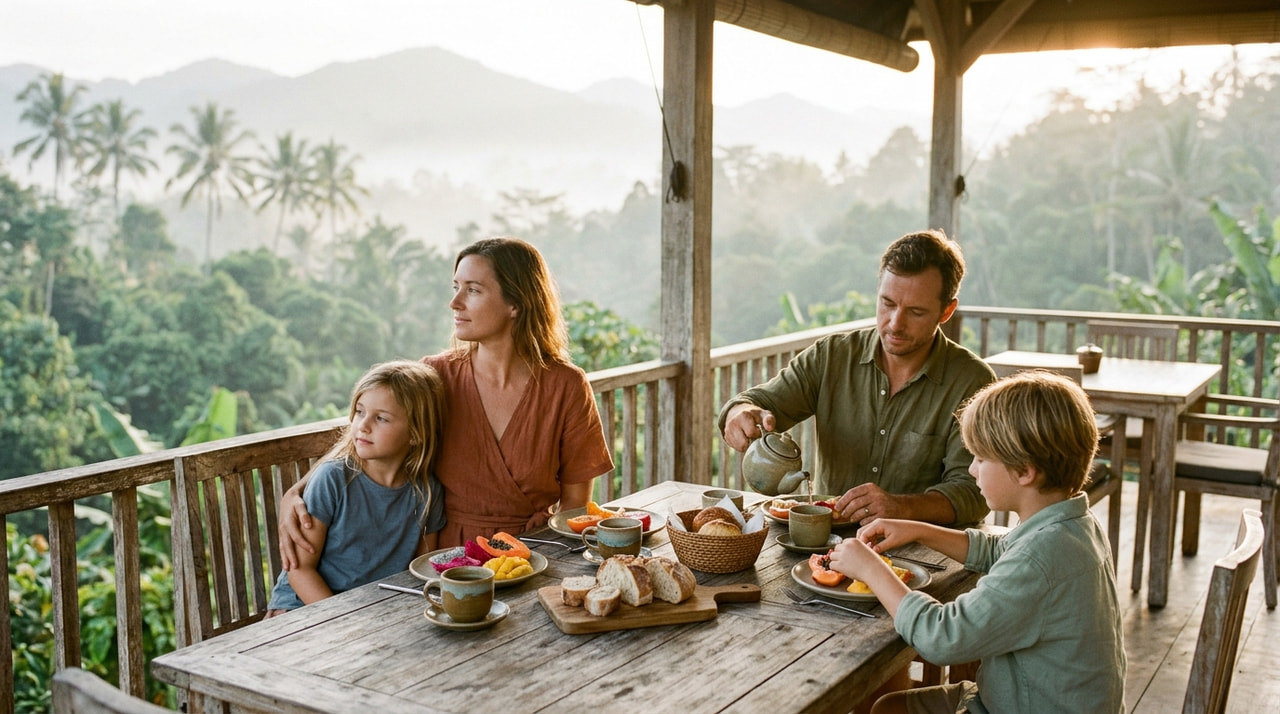
The Rested Morning. The day begins without a ringing alarm. Breakfast is eaten at a leisurely pace in a pleasant dining room or courtyard. There is time to talk about what everyone dreamt, to peel an unfamiliar fruit, and to get dressed without shouting about departure times. Departure happens when everyone is ready, usually mid-morning, while the light is still gentle.
The Focused Midday Window. Late morning is when most children are still fresh. That stretch before lunch is where the single main experience of the day belongs. It might be a hands-on pottery session in an artisan village, a private guided walk through an organic farm, or exploring a historic fortress before the midday heat settles. Because it is the only major commitment of the day, there is no need to look at a watch or drag a child away from an insect they are examining.
The Restorative Afternoon Pause. After lunch, in the heat of a tropical day, energy drops. In an unhurried itinerary, this stretch is protected territory. The family returns to their accommodation. Younger children take a nap in air-conditioned quiet. Older children and teenagers read, swim in the pool, or sketch. Parents drink coffee, read a book, or rest without checking train schedules. This pause is the engine that powers the entire holiday; without it, the evening collapses.
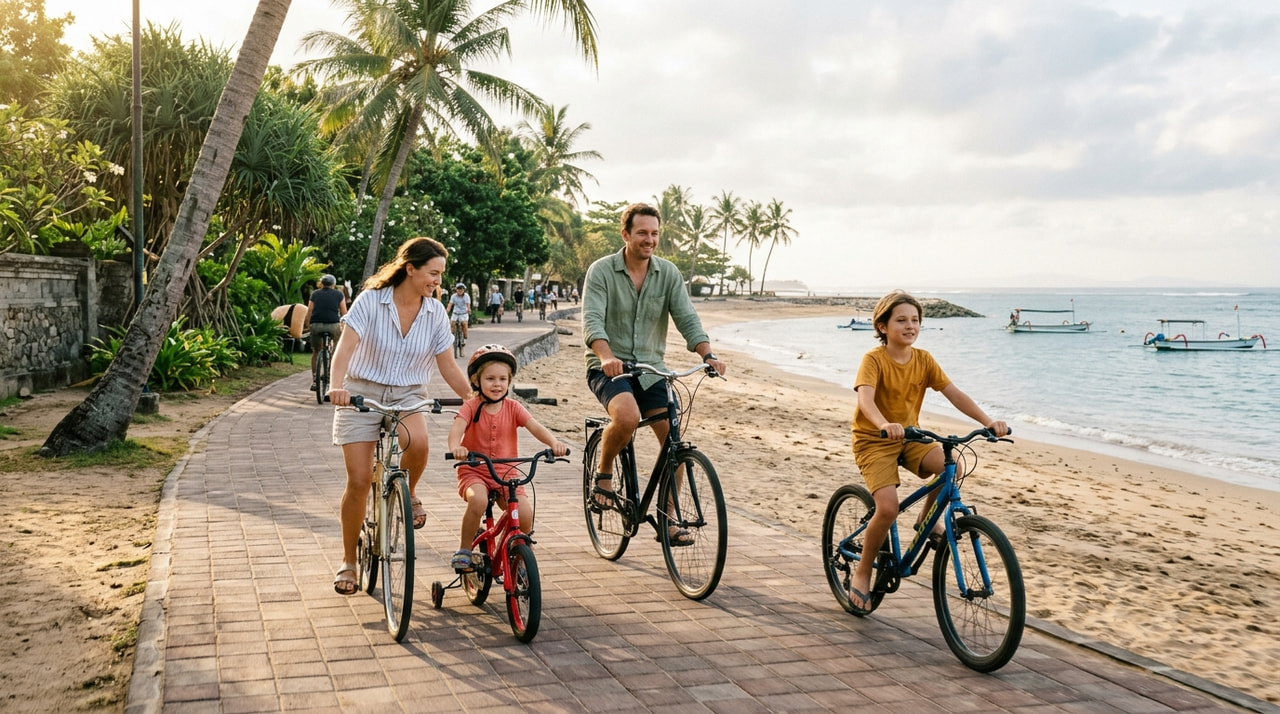
The Twilight Gathering. Late in the afternoon, the sun softens and the streets cool down. The family emerges refreshed. This window is reserved for relaxed wandering: a stroll along a quiet beach boardwalk, watching local families gather in a town square, or sitting down to an early dinner at a small neighbourhood restaurant. Because everyone had three quiet hours in the afternoon, conversation around the dinner table is animated and relaxed.
Choosing hubs instead of moving hotels every night
The most damaging habit of conventional touring is the daily hotel change. Moving a family between three hotels in six days means living out of half-open suitcases, repacking toiletries every evening, and spending the prime hours between eleven and three standing in lobbies waiting for rooms to be readied.
For young children, a hotel room is their temporary safe harbour. It is where their familiar blanket lies, where their shoes are lined up, and where they know where the bathroom door is in the dark. Changing that environment every forty-eight hours creates low-level background anxiety that drains their emotional reserves.
Slow family travel relies on the hub principle: selecting one or two carefully vetted accommodations and staying in each for four, five, or seven nights.
A multi-night stay transforms the texture of a trip. The staff at breakfast begin to recognise your children's preferences. You unpack clothes into drawers and slide empty suitcases under the bed. You find the small bakery around the corner that makes fresh flatbread at seven in the morning, and the fruit seller who hands your daughter a slice of papaya as you walk past. These small repeated interactions give children a grounded sense of place that a tour bus moving past monuments can never provide.
The one-major-thing rule in practice
The practical heart of slow travel is what experienced family planners call the One-Major-Thing Rule. On any given day, an itinerary should contain exactly one structured activity that requires tickets, specific arrival times, or guided attention.
Here is how the rule changes a day in Central Vietnam. Both days are illustrations, not client itineraries:
The Standard Itinerary:
- 07:30 Breakfast and luggage check
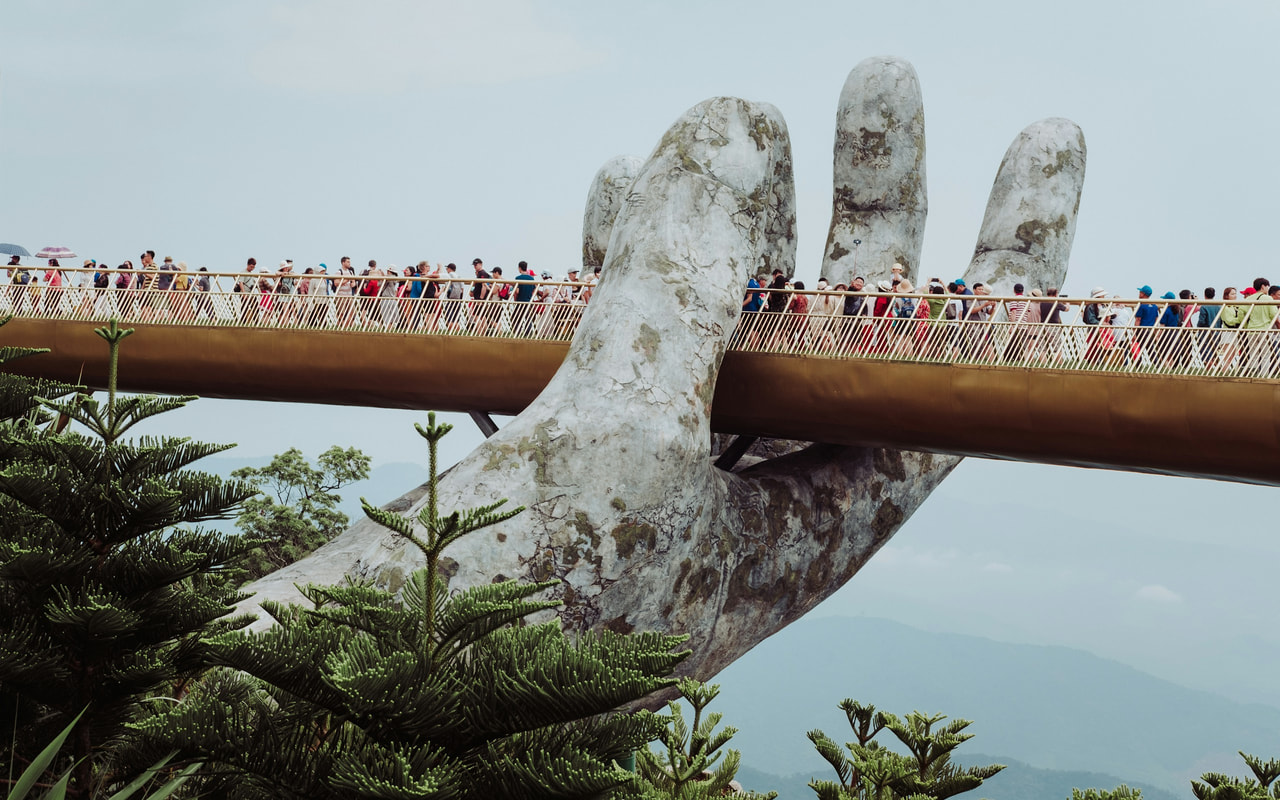
- 08:30 Drive to Ba Na Hills and Golden Bridge
- 11:30 Drive to Marble Mountains caves
- 13:30 Lunch at a roadside tourist restaurant
- 15:00 Walking tour of Hội An Ancient Town
- 17:30 Lantern boat ride on the river
- 19:30 Dinner and night market shopping
- Result: Over twelve hours away from the hotel, four transfers, three crowded ticket queues, and exhausted children crying before the main course arrives.
The Unhurried Day:
- 08:30 Relaxed breakfast by the hotel courtyard
- 10:00 Cycle or take a short transfer to a rural village for a hands-on bamboo craft workshop (The One Major Thing)
- 12:30 Fresh garden lunch of rice rolls and grilled chicken skewers at the village edge
- 14:00 Return to the hotel for swimming, reading, and naps during the afternoon heat
- 17:30 An unhurried sunset walk along the lantern-lit lanes of Hội An, stopping for lime tea and coconut ice cream whenever the children spot a quiet corner
- 19:00 Relaxed dinner at a riverside courtyard
- Result: The family experiences the culture deeply, learns a traditional skill, rests during the hottest hours, and returns to bed happy and refreshed.
The unhurried day does not leave the family feeling that they missed the destination. On the contrary, because they had the time to sit quietly and speak with the artisan, they retain a far clearer memory of the craft, the materials, and the people than the family that rushed past five sights in a morning.
Thoughtful families do not want to see less of the world. They want to see its iconic wonders and hidden pockets in the right rhythm.
Classy Explorers Manifesto
Why parental fatigue is the quietest trip breaker
When family holidays go poorly, parents often blame their children's temperaments or short attention spans. In reality, the root cause is frequently parental exhaustion.
Planning a do-it-yourself trip through an unfamiliar region is an immense logistical project. A parent who organises every flight, verifies taxi operators, checks luggage allowances, navigates visa portals, and translates dinner menus is not on holiday. They are working as an unpaid logistics coordinator under foreign conditions.
When a parent is constantly checking train timetables, calculating exchange rates, and worrying about whether the next transfer will arrive, their cognitive load is maxed out. They have no surplus patience left when a child spills fruit juice on a passport sleeve or refuses to put on walking shoes. Stretched parents have less patience to spare, and children usually feel it.
For an unhurried journey to succeed, the parental logistics burden must be lifted. When private transfers are confirmed, when hotel rooms have been vetted for family comfort, and when regional transits are arranged door to door, parents can put down their phones. They can sit on the beach and look at the sea, listen to their children's questions, and enjoy the conversation at dinner.

How to tell if an itinerary is really unhurried
Before booking any family journey, examine the schedule against this practical checklist. If you cannot tick most of these points, the itinerary is designed around sights rather than around human beings.
Planning your family's next journey
Slow family travel changes how a family remembers their time together. Long after the ticket stubs are discarded, children do not recall the museum plaques or the names of dynastic rulers. What stays in their memory is the feeling of the morning sun through a palm tree, the taste of warm pandan pancakes bought from a wooden cart, and the sound of their parents laughing without checking a watch.
When you begin planning your next family journey, start by asking what rhythm will allow your family to thrive. If you want to see how this philosophy is put into practice across Southeast Asia and India, read how the same pace plays out in our Bali guide, or explore our thoughtfully paced expeditions, where every journey is sequenced from home to home so your family returns rested, inspired, and deeply connected.